The Vitaliks Whitepaper.
The project began on June 15, 2025, a few weeks before Ethereum's 10th anniversary on July 30, 2025. It started as a tribute and became something slower and stranger: an on-chain archive of Ethereum culture, compact DNA and renderer-enforced identities.
A Tribute That Refused To Stay Simple
The Vitaliks were started for Ethereum's 10th birthday, but the archive took longer than expected because Ethereum history is not clean. It is memes, forks, research, drama, builder folklore, collection references and weird social memory.
The point is not to make a static costume collection. The point is to make an identity system where every visible layer can carry context, provenance and future mutation without losing the original record.
The Ethos
A Vitalik is an Ethereum-native body: rendered on-chain, assembled from compact trait ids, open to cultural updates, and readable as a museum object rather than a disposable image.
What The Collection Is
foundation
- 8,888 SVG identities composed from Ethereum history, internet culture and collection-native rules.
- No hosted final image: the token asks the renderer to rebuild the artwork from stored layers.
- Each token carries compact DNA instead of a static JPEG.
- Trait compatibility is part of the identity system, not a front-end illusion.
- Normies Shirt can preserve a source Normie as host identity after transfer.
- Every valid mint also receives one identical Serum in the same transaction.
- Creator earnings are designed to feed a visible strategy layer rather than disappear into a wallet.
next layers
- V1 traits are live; small visual bugs can be patched before the V1 archive is frozen.
- Serum can unlock V2 and V3 trait states where the archive becomes more expressive, original and playful.
- Ownership-gated customization for selected external NFT collections.
- Community-uploaded traits can become purchasable on-chain additions to the archive.
- Cross-collection identity slots, including shirt-based displays and host identities.
Key Terms
Vitalik
An ERC-721 identity artifact built from compact DNA and rendered directly from stored SVG layers.
Compact DNA
Six trait ids define the image: background, base, clothing, glasses, Head and Mouth.
Renderer
The on-chain assembler that turns the stored trait ids into final metadata and an inline SVG image.
Trait Passport
A readable record of a trait source, host identity, or cultural reference attached to the token.
Serum
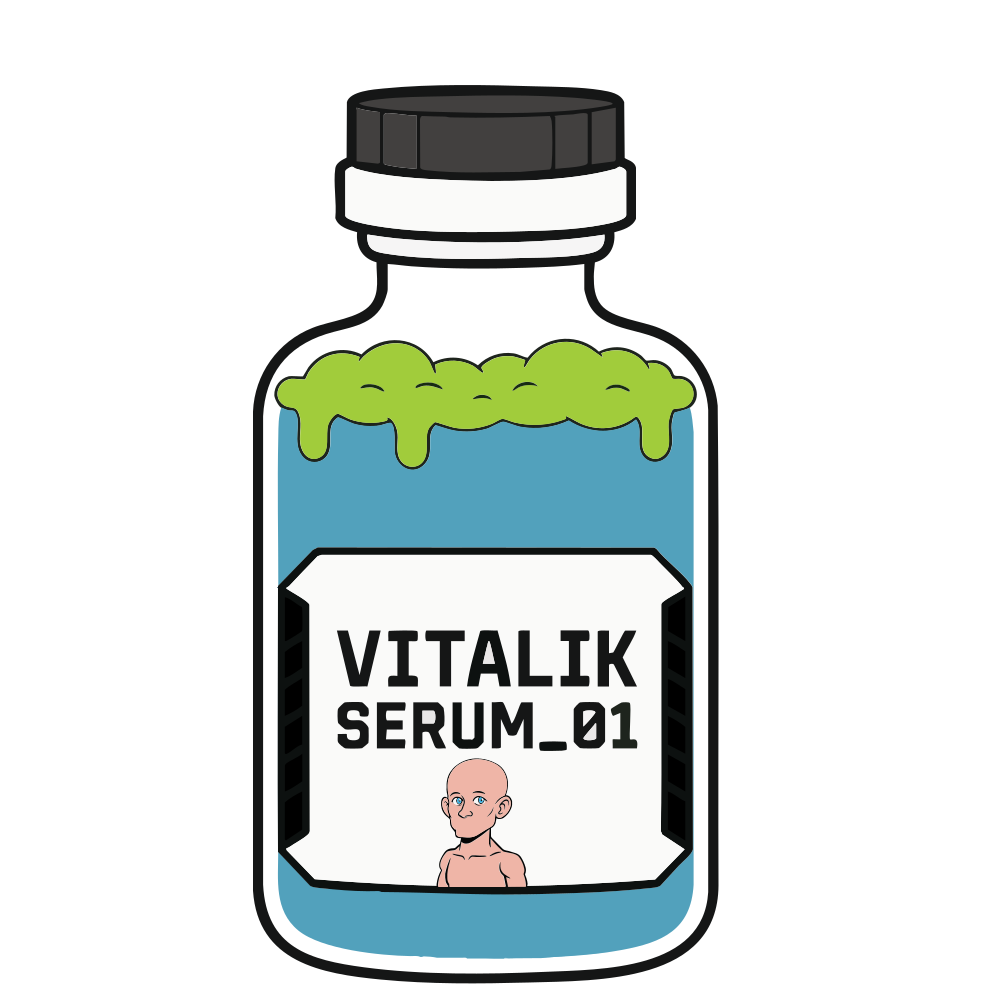
A launch-active ERC-1155 key airdropped with every valid mint. It prepares the evolution layer.
Trait State
The displayed version of a trait: V1 is the launch archive, while V2 and V3 are explicit unlocked states.
Strategy
A public royalty route: 4.20% creator earnings can acquire listed The Vitaliks NFTs and send them to vitalik.eth.
How The System Reads
The Archive Body
The Vitaliks are not a normal image collection. The token is a body that can carry signals: Ethereum memories, external collection references, host identities and future mutations. The image is a consequence of the token record, not the other way around.
- >Six trait ids form the visual DNA.
- >The renderer assembles the final SVG from stored layers.
- >Special layer rules keep the browser preview and the token image aligned.
The Museum Is Inside The Token
The museum is not decoration around the project. It is the material: every shirt, head, mouth, base and reference is part of the archive. When a trait points to another collection or historical moment, the token should keep that relationship readable.
- >Trait passports make references legible.
- >Normies Shirt can preserve the host Normie identity.
- >Cultural updates can add new context without erasing V1.
Serum Turns Ownership Into Permission
Serum is the mutation key. V1 is intentionally close to historical traits, Ethereum references and collection memory. V2 and V3 let the project become more authored: cleaner, stranger, bigger, funnier, more personal. A holder can keep the original record while unlocking approved trait states, collection-gated displays and identity experiments.
- >Every valid mint receives one Serum automatically.
- >V1, V2 and V3 trait states can stay traceable.
- >External NFT ownership can unlock selected customizations.
Rules Of The Archive
The Serum Layer
Serum is the evolution layer. When a collector mints a Vitalik, the same transaction also airdrops one identical Serum to the same wallet. It is not sold separately at mint: it appears because the Vitalik exists.
What Serum Unlocks
- >Eligible traits can move from V1 to V2 or V3 while preserving the original archive record.
- >V2 is an evolved artist state: cleaner, more authored and still tied to the source trait.
- >V3 is the extravagant state: larger, louder, stranger and more theatrical when those files are added.
- >One Serum burn unlocks one approved trait state for one Vitalik.
- >A second Vitalik with the same trait can also be burned as a donor unlock path.
- >Once unlocked, that Vitalik can switch between its available states without paying the Serum cost again.
- >Some customizations require proof that the wallet owns a specific external NFT.
- >A holder can display approved external identity on selected traits, including shirt-based slots.
- >The Vitalik remains the immutable body; Serum is the mutation key; ownership is the access proof.
V1 keeps the archive. V2 becomes the artist layer. V3 can go further.
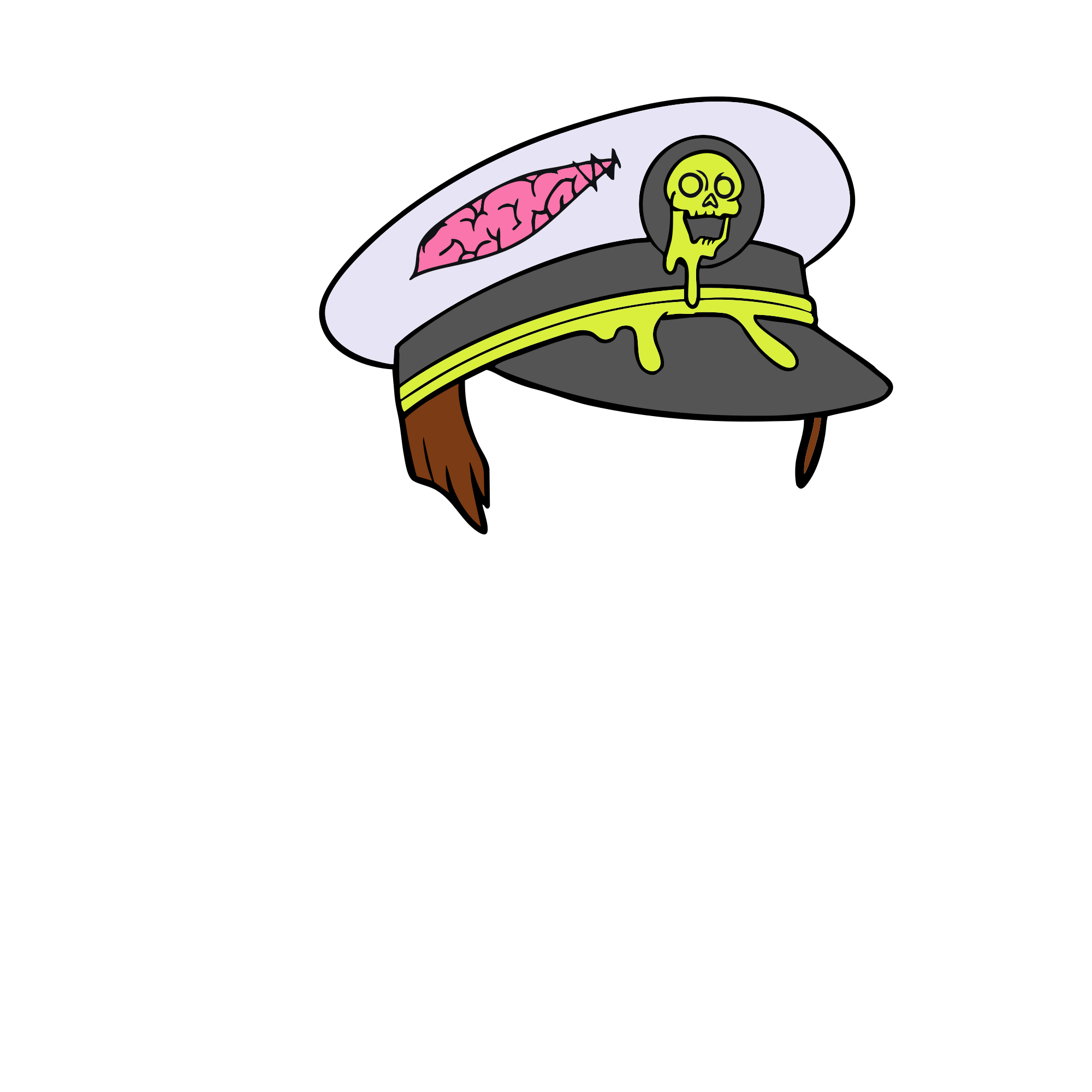
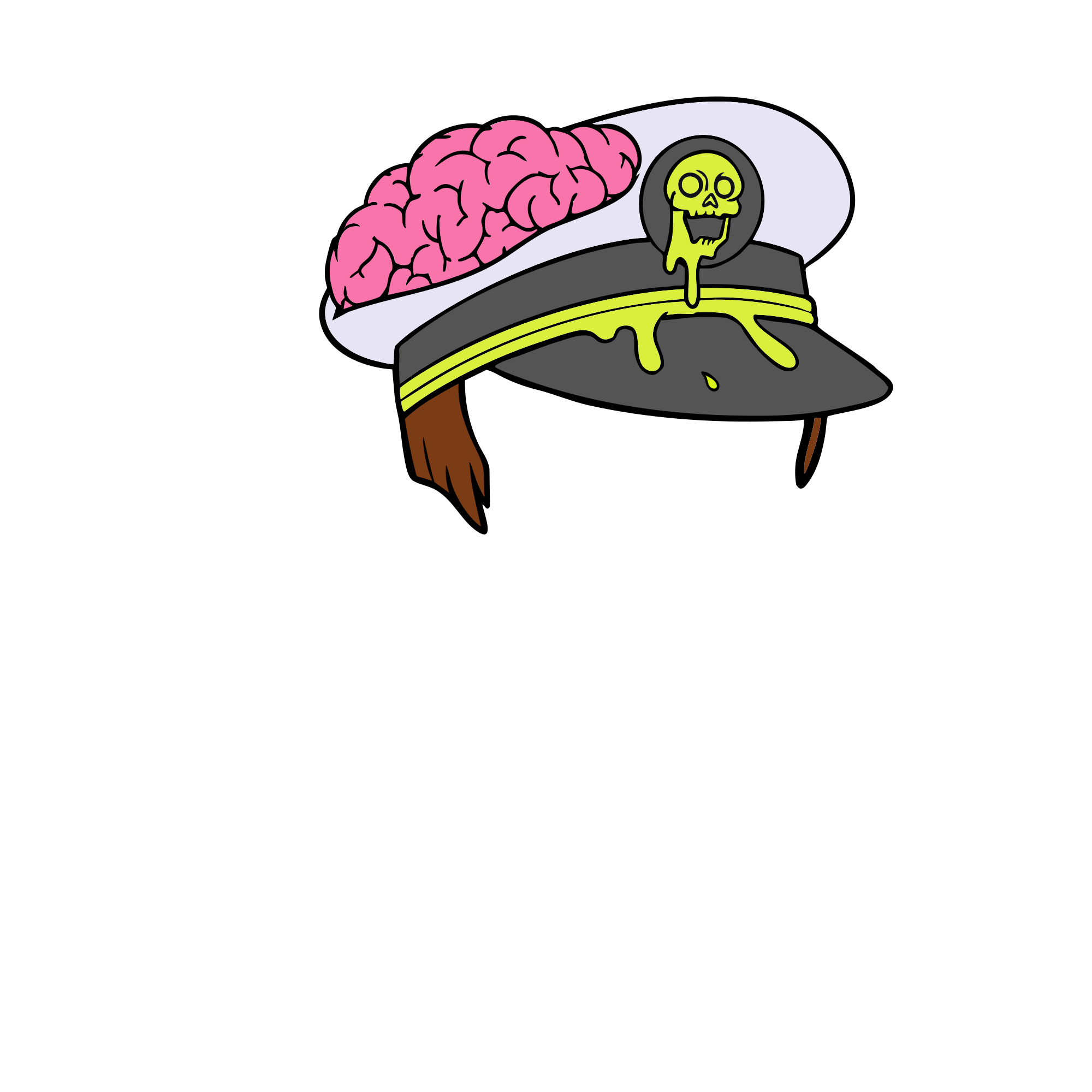
These previews use a bare Vitalik body with no clothing layer, so the trait evolution is visible. The token does not forget the launch trait: V2 is an unlocked display state, and V3 is reserved for more extravagant future redraws.
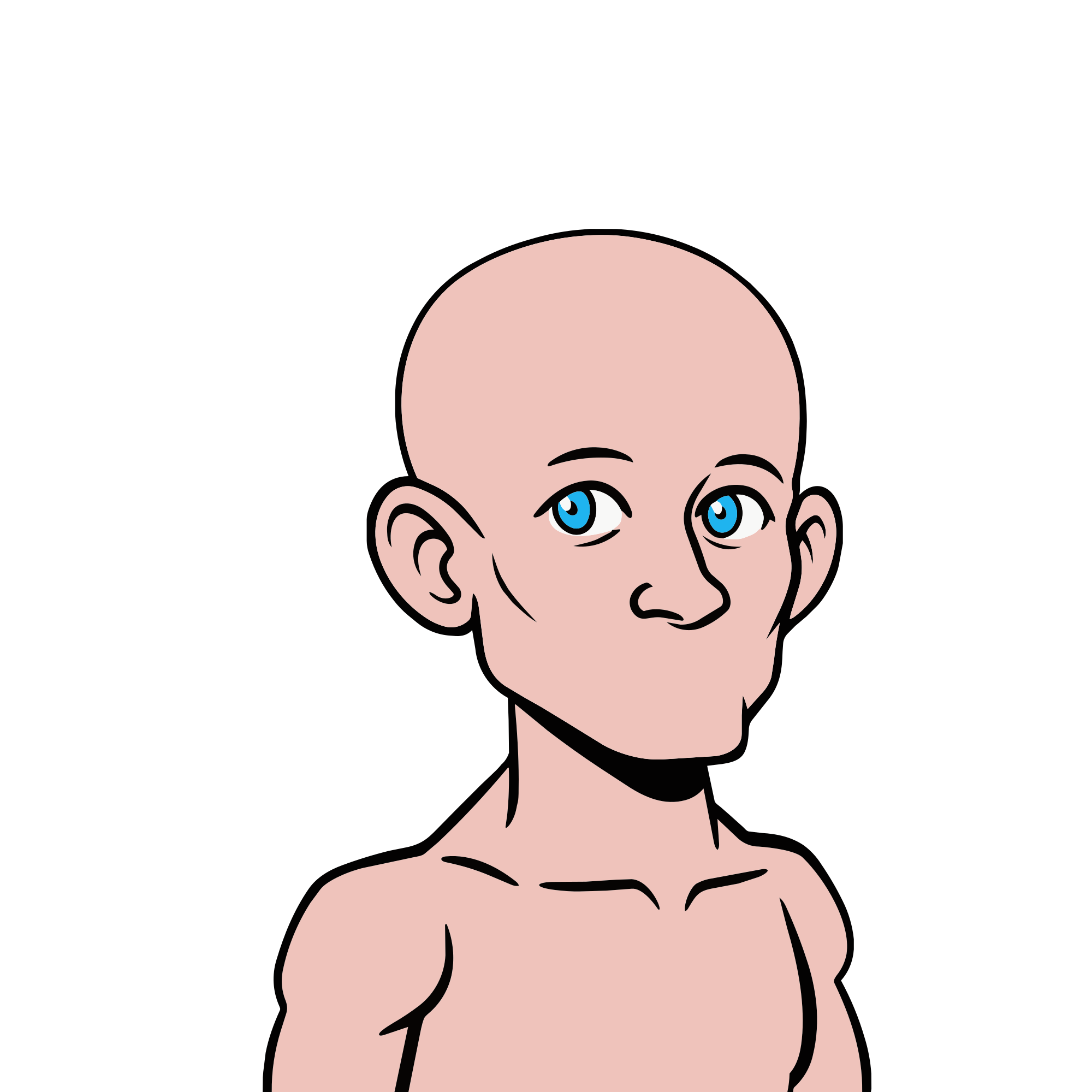
The first proof: a historical head trait becomes a cleaner Vitaliks-native redraw.
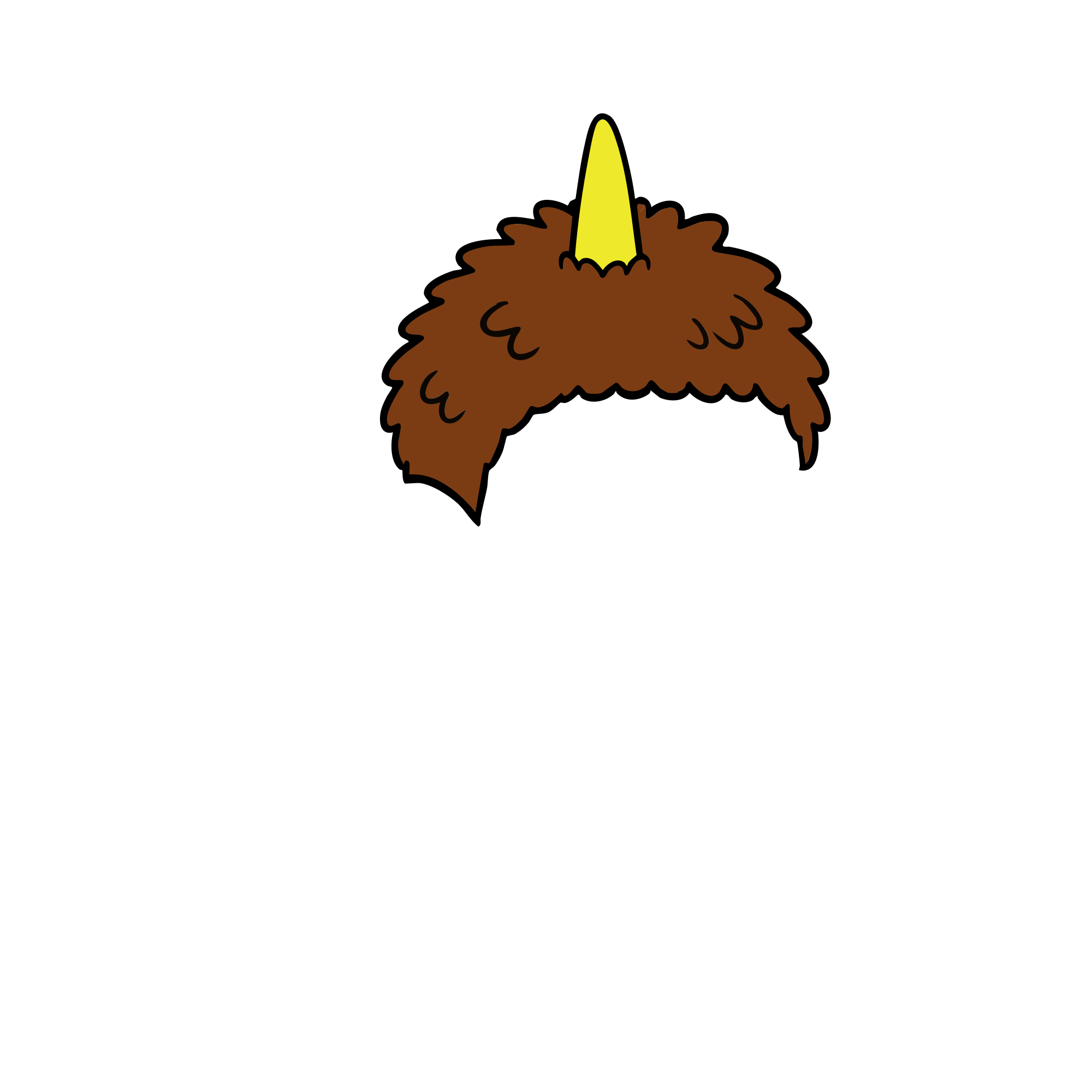
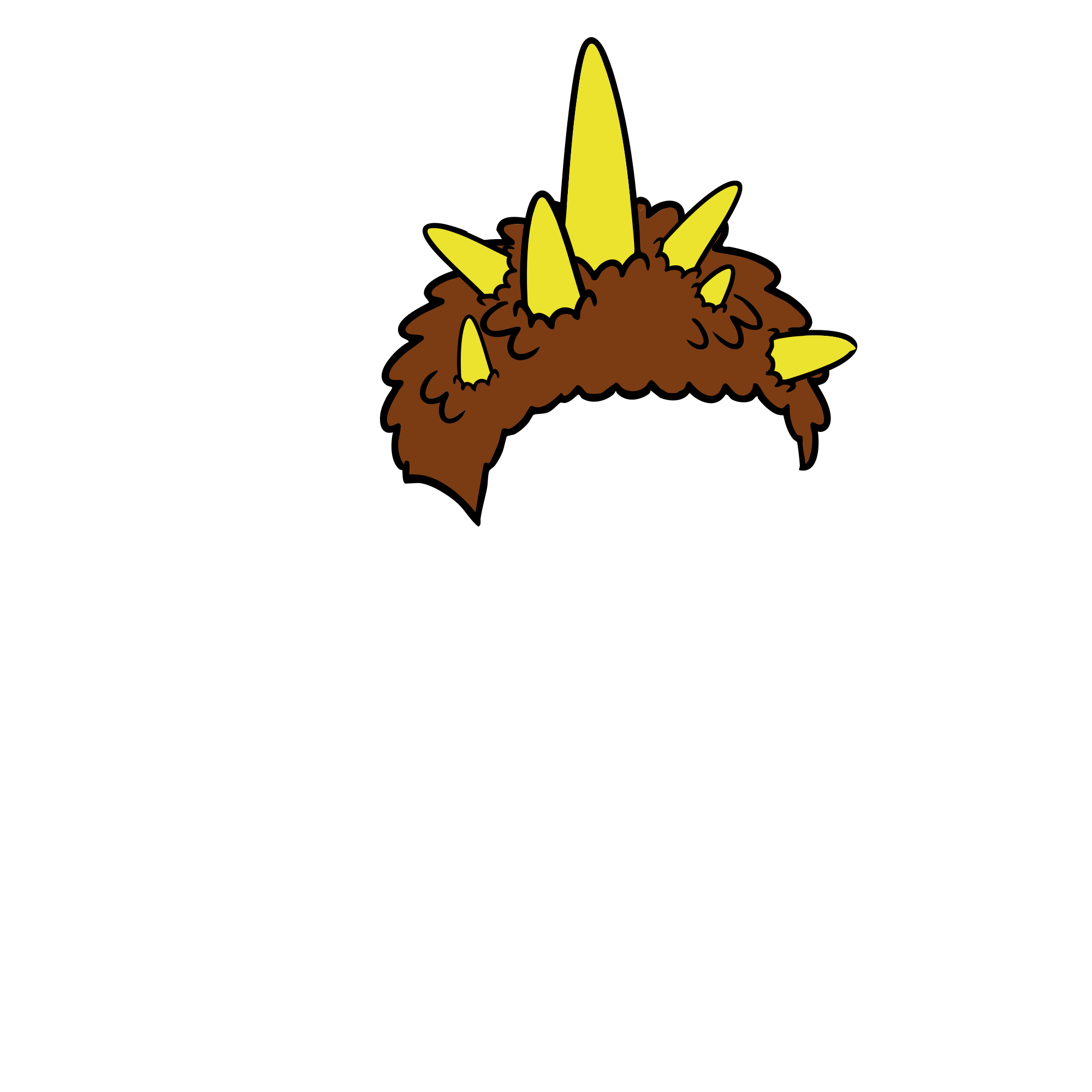
The Costume V2 shows the same rule on a different head trait: same origin, stronger authored state.
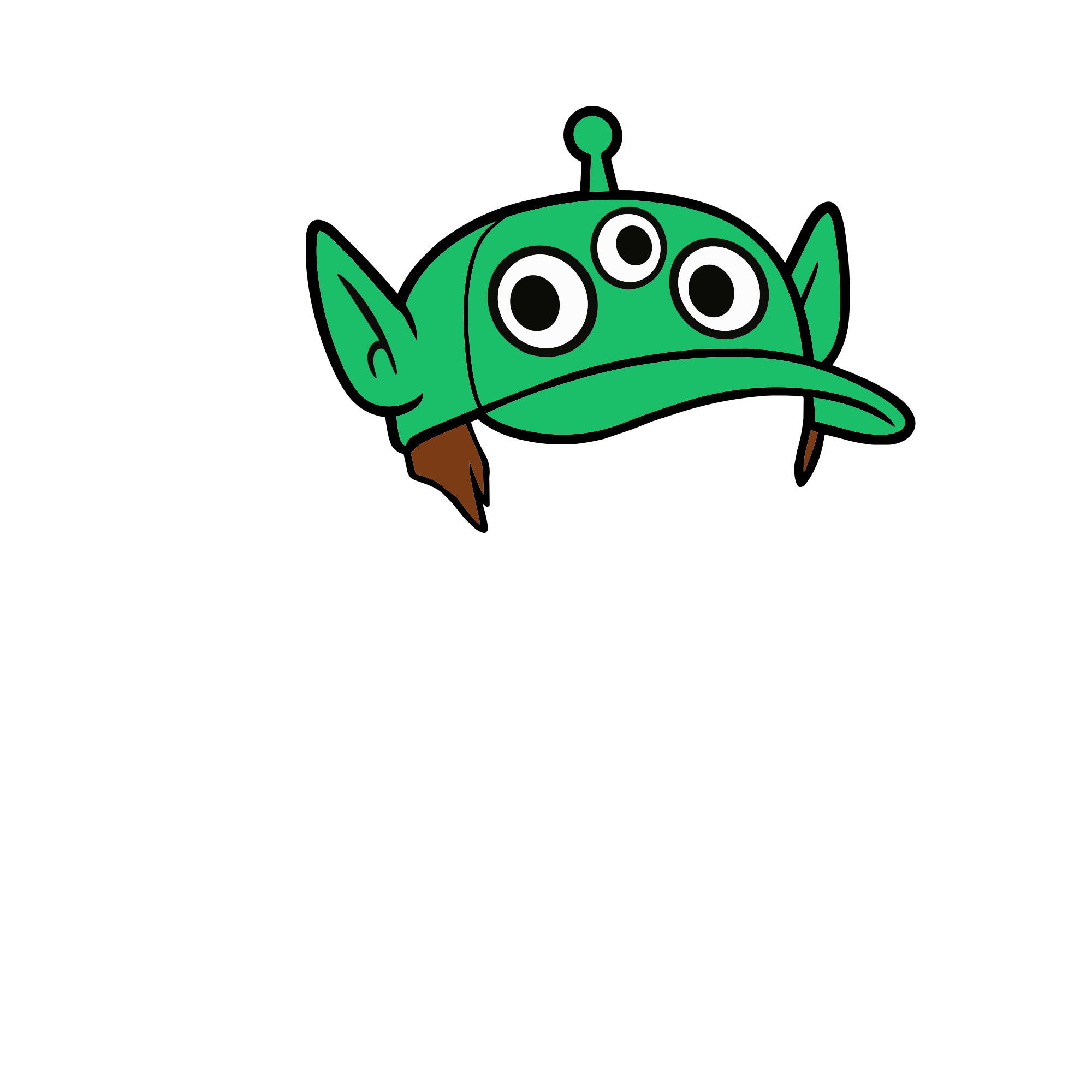
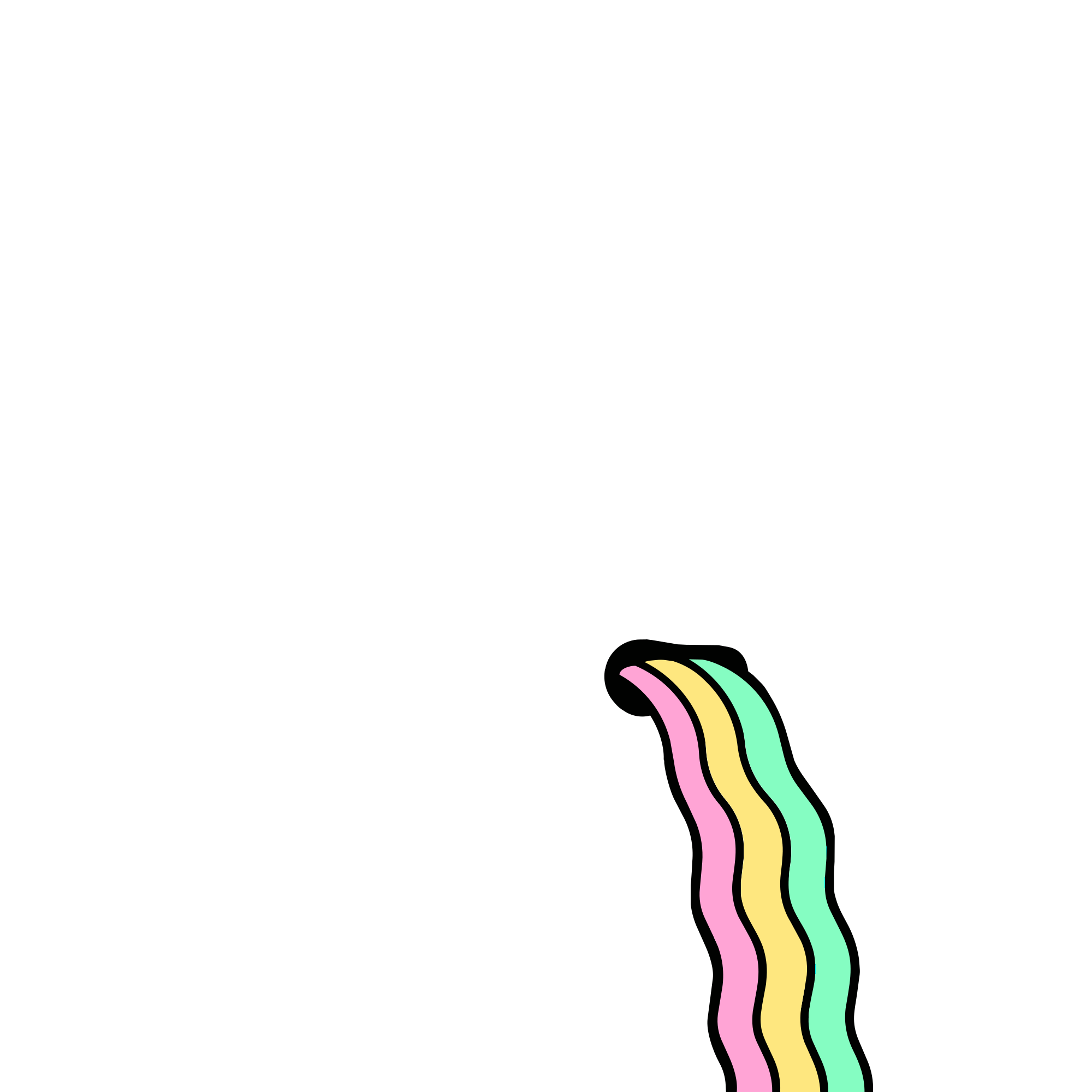
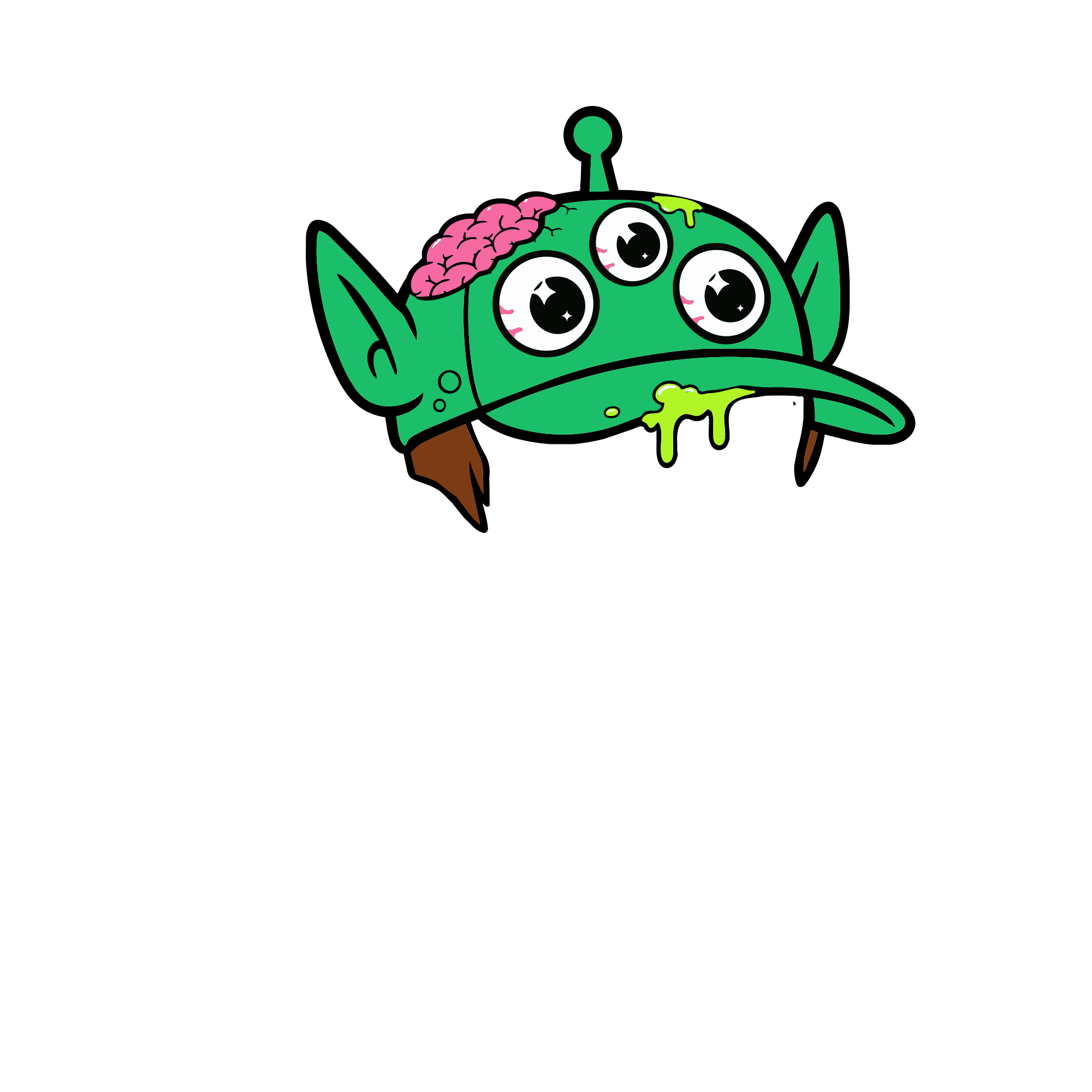
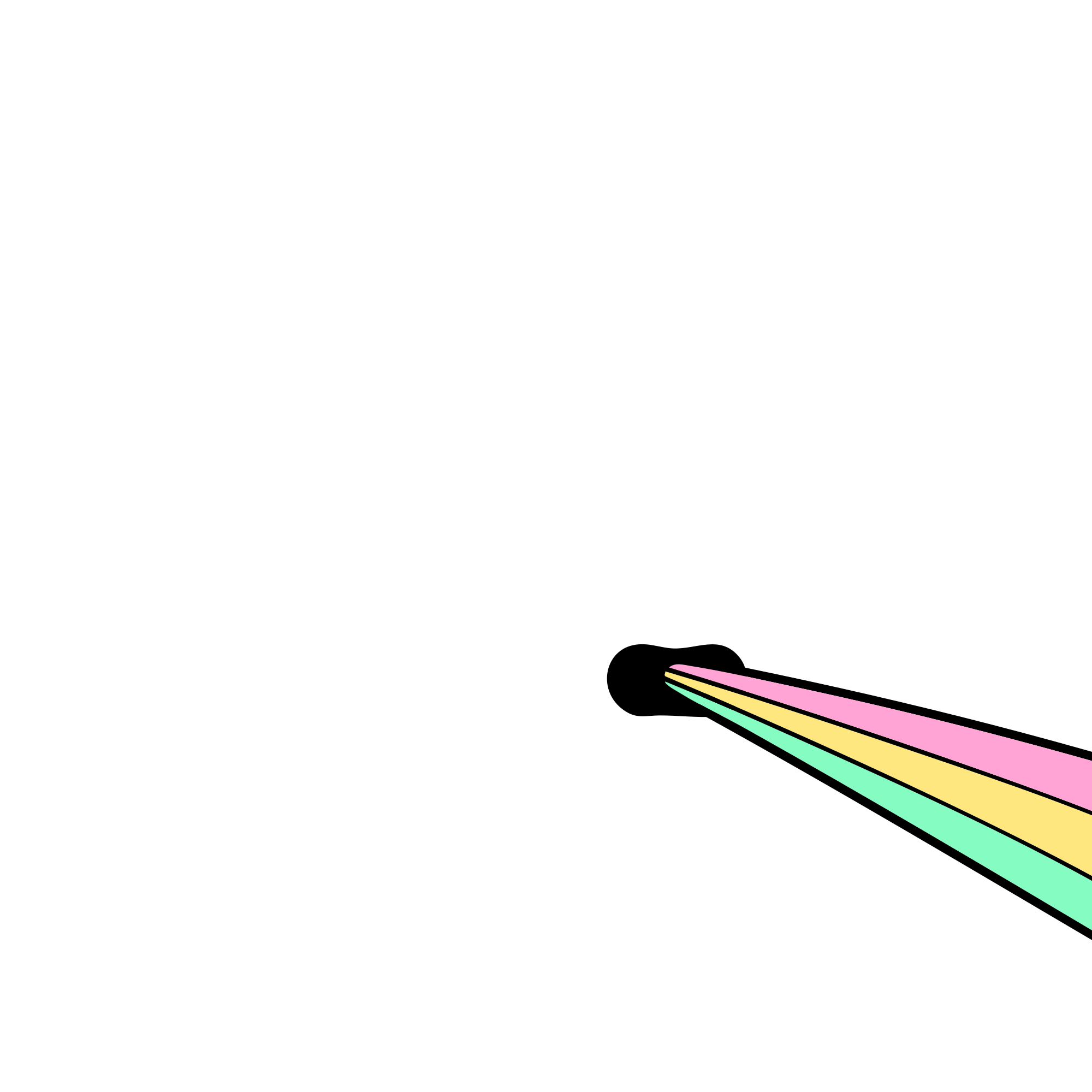
One preview can stack evolved layers: Rainbow Puke V2 carries the mouth chaos while Alien Hat V2 shows the head upgrade in the same body.
Mint Price, WETH Offers, Strategy
Mint Price With Exit Liquidity
The Vitaliks mint at 0.0003 ETH. During launch, 8,888 OpenSea WETH offers can be placed at the mint price, matching the full collection supply. Collectors who choose not to keep their token can accept an available offer through the secondary market. This launch liquidity program is separate from the royalty strategy, which uses the 4.20% creator earnings stream to acquire listed The Vitaliks NFTs and send those NFTs to vitalik.eth.
Why This Matters
Most NFT identity systems force a collector to choose one collection at a time. The Vitaliks take a different position: the token can be a readable body that carries signals from other communities without pretending those signals were native from day one.
Normies Shirt is the first proof of this idea. The trait is not just a visual shirt. It can preserve the Normie source id as a host identity so the relationship stays legible after transfer. Serum extends that logic to broader ownership-gated identities.
The Collection Should Keep Accepting Culture
Trait evolution
V1 is the historical archive. Later V2 and V3 states are the expressive layer: original redraws, exaggerated upgrades and future cultural mutations unlocked through Serum.
Community traits
The long-term archive can let the community submit traits that become purchasable additions instead of one-off website cosmetics.
External identity
A holder should be able to prove ownership elsewhere and display that signal through selected Vitalik traits.